
Table of content:


Many businesses step into logistics thinking they have the costs under control until the actual bills start coming in. It’s quite common to underestimate logistics expenses by 20–30%, especially in a market like Delhi, where multiple factors quietly influence pricing.
From warehousing location to delivery speed, every small decision adds up. A slightly premium warehouse, a faster delivery promise, or even holding inventory longer than expected can increase your overall logistics cost in Delhi without you realising it immediately.
This guide breaks down logistics costs in Delhi in a practical way, so you can plan better and avoid surprises later.
What Determines Logistics Costs in Delhi?
Before jumping into numbers, it’s important to understand what actually drives these logistics costs. Pricing is not fixed. It changes based on how your business operates.
Location plays a big role. A warehouse in Gurgaon or central Delhi will cost more than one in Ghaziabad or the outskirts of Noida. The closer you are to demand hubs, the higher the rent, but the benefit is faster delivery.
Order volume also changes everything. Higher-order volumes usually reduce per-order costs, while low volumes make operations more expensive per unit. Product types matter more than most businesses expect. Fragile items need extra care, bulky products need more space, and FMCG goods require faster movement. Each of these adds a different cost layer.
Delivery expectations are another hidden factor. If your customers expect next-day or same-day delivery, your logistics setup needs to be faster and more efficient, which increases costs. Storage duration is often ignored. Storing slow-moving inventory in premium locations can silently increase your logistics costs month after month without generating revenue.
Complete Breakdown of Logistics Costs in Delhi
Now let’s break down where your money actually goes.
Warehousing Costs in Delhi
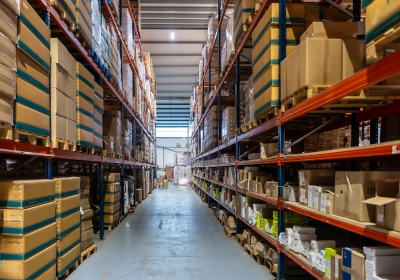
Warehousing is usually the highest fixed cost in your logistics setup. In Delhi NCR, basic warehousing costs typically range between ₹15 to ₹35 per square foot. Premium or automated facilities can cost more than ₹40 per square foot.
Some warehousing service providers also charge on a per-pallet basis, which works better for businesses with standardized inventory. Shared warehousing is more affordable because you only pay for the space you use, while dedicated warehousing gives you full control but at a higher cost.
Compared to markets like Bhiwandi, Delhi NCR is slightly more expensive, mainly because of its proximity to demand and better connectivity. But that higher cost often translates into faster deliveries and better customer experience.
Storage Costs (Inventory Holding)
Storage cost is not just about space, it’s about time. The longer your inventory sits in the warehouse, the more it costs you.
Most providers charge monthly storage fees, but the real impact comes from slow-moving stock. Imagine keeping 1000 units in a warehouse for 60 days without selling them. You’re paying for storage, but there is no revenue coming in from that inventory.
This is where planning inventory movement becomes important. Faster-moving stock reduces storage costs significantly.
Order Fulfillment Costs
Every time an order is processed, there is a cost involved. This includes picking the product, packing it, and preparing it for dispatch.
In Delhi, fulfillment costs usually range from ₹20 to ₹80 per order, depending on the complexity of the process. Simple products are cheaper to handle, while multiple items or fragile goods increase the cost.
Packaging materials also add to this. If your brand uses custom packaging, inserts, or protective materials, those costs are included in fulfillment.
Transportation Costs in Delhi NCR
Transportation is one of the most variable costs. It depends on distance, fuel prices, delivery timelines, and order density.
In general, transportation costs in Delhi NCR range between ₹15 to ₹35 per kilometre, but this can change based on volume and delivery zones.
Last-mile delivery is usually the most expensive part because it involves reaching individual customers. If your deliveries are spread out across different areas, costs increase. If they are concentrated, costs reduce.
Fuel prices and traffic conditions in Delhi also play a role. Delays and longer routes directly affect your logistics spending.
Technology & Platform Fees
Technology is now a basic part of logistics operations. Most providers use warehouse management systems to track inventory and orders.
Some logistics partners include this cost in their pricing, while others charge separately for system usage or integrations with platforms like Shopify or marketplaces.
It’s always better to clarify this upfront, because these charges may not be visible in the initial quote.
Manpower & Handling Charges
Handling costs include loading, unloading, sorting, and managing goods inside the warehouse.
If your products require special care, such as fragile handling or specific storage conditions, these charges can increase. Even small handling inefficiencies can slowly increase your overall logistics cost.
Hidden Costs You Should Not Ignore
This is where many businesses lose money without realising it.
Some providers have minimum billing clauses, which means you pay a fixed amount even if your usage is low. During peak seasons, additional charges may apply due to increased demand.
Return orders, especially in e-commerce, add another layer of cost. Reverse logistics, quality checks, and reprocessing all require effort and money.
There are also risks, such as damage or shrinkage. Even if they are small, they add up over time and impact your margins.
Average Logistics Cost Example
Let’s take a simple example of a D2C brand handling around 500 orders per month in Delhi.
Storage might cost around ₹8,000 to ₹15,000, depending on space and location. Fulfillment could range from ₹10,000 to ₹30,000, depending on order complexity. Transportation might add another ₹20,000 to ₹40,000, depending on the delivery spread.
When you combine everything, the total monthly logistics cost in Delhi can range between ₹40,000 to ₹85,000.
This is not a fixed number, but it gives a realistic idea of how costs build up across different components.
How to Reduce Logistics Costs in Delhi
Reducing logistics costs is not about cutting corners. It’s about making smarter decisions.
Choosing the right warehouse in Delhi NCR can make a big difference. A slightly lower-cost location with good connectivity can reduce both warehousing and transportation expenses.
Avoiding overstocking is equally important. Holding excess inventory increases storage costs without adding value.
Shared warehousing is a good option for growing businesses because it keeps costs flexible. As your volume increases, you can scale without committing to high fixed expenses.
Optimising delivery zones also helps. Concentrated delivery areas reduce transportation costs and improve efficiency.
Working with an experienced 3PL partner often helps streamline operations, thereby indirectly reducing overall costs.
Is Delhi Expensive for Logistics?
Delhi is not the cheapest market, but it offers strong advantages.
Compared to tier 2 cities, costs are slightly higher. However, the demand density, infrastructure, and connectivity in Delhi make operations more efficient.
When compared to cities like Mumbai or Bangalore, Delhi is often more balanced. It offers a good mix of cost and reach, especially for businesses targeting North India.
So while the cost may seem higher at first, the overall efficiency and delivery performance often justify it.
Final Thoughts
Logistics costs in Delhi are not just about numbers, they are about how your entire operation is structured.
Businesses that understand these cost components early can plan better, control expenses, and scale smoothly. On the other hand, those who ignore the details often end up paying more than expected.
If you’re evaluating logistics partners, it also helps to explore different options before deciding. You can check this list of Top Logistics Companies in Delhi to understand what different providers offer and how they structure their services.