
Table of content:
- What Is Storage And Transportation In Supply Chain Management?
- Why Storage and Transportation Are the Backbone of Modern Logistics?
- Key Functions Of Storage And Transportation
- How To Optimise Storage and Transport Costs?
- Benefits Of Partnering With The Right Transportation Storage Provider
- Challenges In Storage And Transportation
- Final Words


Storage and transportation account for 60% of the total supply chain costs of the business globally. This shows that both of them play a vital role in ensuring a smooth and cost-effective supply chain and logistics.
Storage refers to holding goods in either a warehouse or a distribution center till they are necessary for production or delivery. Transportation refers to the movement of goods from one supply chain point to another. It ensures seamless product delivery from manufacturers to warehouses, and then to retailers, and finally to customers.
What Is Storage And Transportation In Supply Chain Management?
Storage
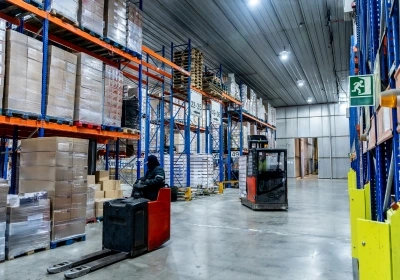
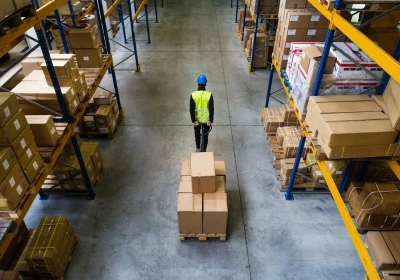
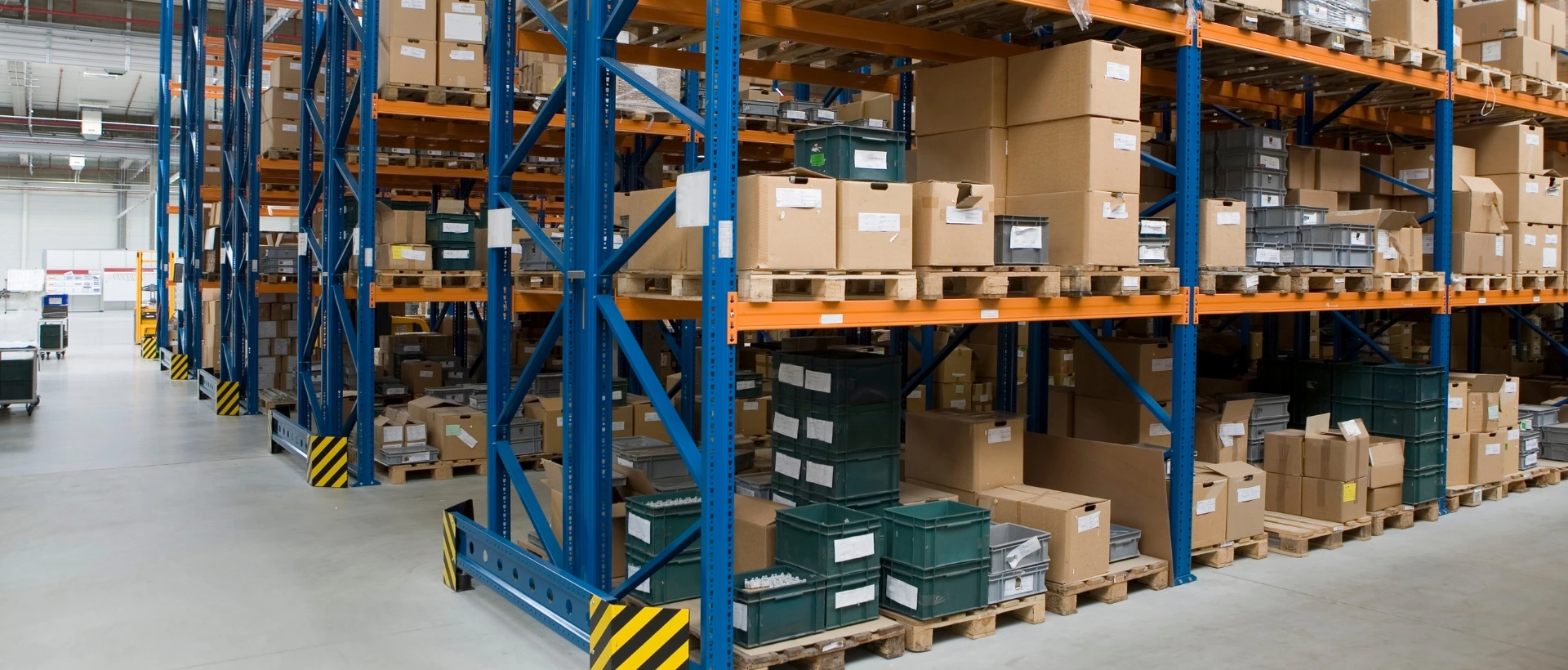
Storage means holding goods safely in warehouses or fulfillment centres till they are required for production or delivery. The main function of the storage is to keep enough stock so that they are always available for the customer or any business. Nowadays, most of the warehouses have CCTV surveillance to protect the goods from theft.
For example, an ecommerce company in India stores its products in the warehouse of the third-party logistics provider. When a customer orders a product, the 3PL provider's staff picks it up, thoroughly packages it, and then hands it to the shipper. The shipper delivers the product to the customer.
Transportation
Transportation involves the movement of goods from one point of the supply chain to another. Let's explain this with an example: the goods transport from supplier to manufacturer or from manufacturer to warehouse, and finally from warehouse to customer. The primary purpose of transportation is to provide safe and timely delivery of goods to their destination. There are various modes of transportation like air, rail, road, and sea.
Why Storage and Transportation Are the Backbone of Modern Logistics?
Today, storage and transportation are the backbone of modern logistics.
Storage keeps raw materials, work in progress, or finished goods in a warehouse till they are necessary for production or delivery. Proper storage ensures that there are fewer chances of theft and damage to the inventory. It also helps prevent overstocking and out-of-stock issues in a business. Storage maintains a buffer stock to enable the business to meet customer expectations during market demand fluctuations.
Proper and timely transportation ensures that raw materials are delivered from suppliers to factories for manufacturing. The finished goods are further transported to the distribution center.
When the warehouse receives an order, the packaged products are then transported to the customer. Timely delivery of products enhances customer satisfaction and brand reputation in the market.
So both storage and transportation play an essential role in connecting every stage of the supply chain of a business.
Key Functions Of Storage And Transportation
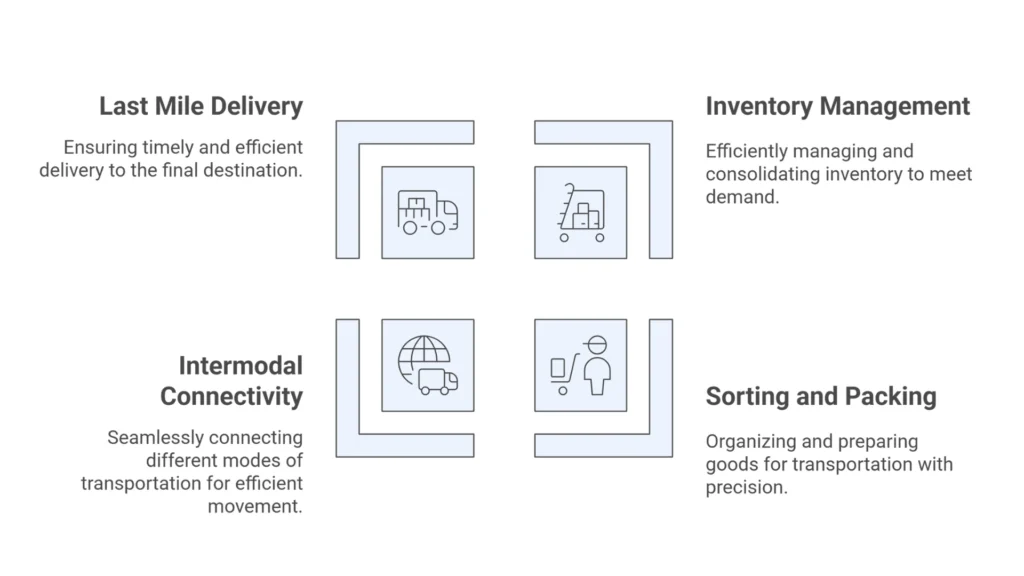
The functions of storage and transportation are as follows.
1. Inventory Holding And Consolidation
Here, inventory holding refers to the storage of raw materials or finished goods. Let's discuss with an example. Amazon's fulfillment center keeps electronic items ready for dispatch when a customer orders any electronic items. The staff of the fulfillment center packages and dispatches it.
Simultaneously, cold storage facilities store perishable or pharmaceutical products and dispatch them when an order is received from the customer.
Consolidation means the business will combine multiple b2b shipments and transport them together to make transportation cost-effective.
2. Sorting, Packing, Labelling
The staff of the warehouse facility sorts the products based on order size and destination. The staff also ensures proper packaging to prevent product damage during transit.
They even label the product for identification and tracking. The label provides all the necessary details like product name, batch number, and handling instructions.
3. Intermodal Connectivity
Intermodal connectivity means transportation of inventories on multiple modes of transport, like air, rail, or road. It enables businesses to utilize a cost-effective approach for each stage of the transportation journey.
4. Last Mile Delivery Integration
Many businesses keep inventories or products in the warehouse closer to the customer. It enables the delivery of products faster to the customer.
How To Optimise Storage and Transport Costs?
Optimize Storage Costs
- Businesses should use forecasting tools and data analytics to predict product demand in the future.
- Utilising advanced technology in warehouses, such as warehouse management systems, automation, robotics, barcode scanning, and IoT sensors. A warehouse management system optimises the layout of the entire warehouse, speeds up the order fulfilment process, and reduces human errors. An automated warehouse reduces labour and storage costs for a business.
- Businesses can utilize shelving systems and racking systems to reduce rent and utilities.
- Businesses can outsource storage to a 3PL company to reduce costs.
Optimise Transportation Costs
- Businesses can keep the products in the warehouse closer to customers to reduce transportation costs.
- Utilize an advanced software transport management system to find the shortest route for transporting products. That reduces the fuel costs of the business.
- The Company should use fuel-efficient vehicles to reduce costs.
- Utilise PTL transport services, which can handle multiple shipments in a single vehicle, thereby reducing transportation costs.
Benefits Of Partnering With The Right Transportation Storage Provider
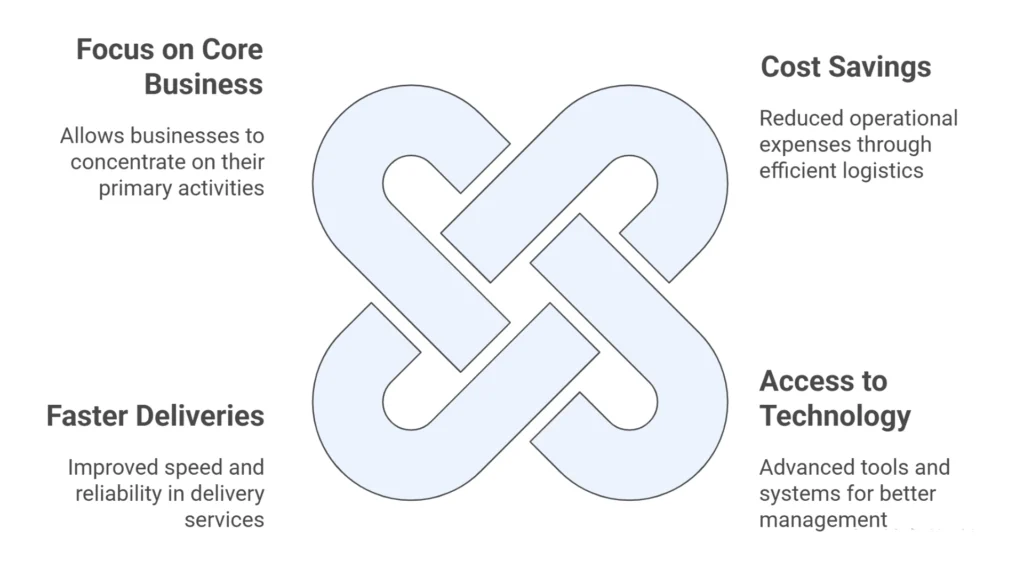
There are various benefits to partnering with a storage and transportation provider. Here is a list of them below.
1. Cost Savings
Storage of inventories requires building a warehouse, managing staff, and paying for utilities. The business also needs to invest in heavy equipment, such as forklifts, to facilitate the easy transport of goods within the warehouse. However, it requires a significant investment, which may not be feasible for every small or medium-sized enterprise. They can partner with the storage and transport provider. These providers have warehouses where they can store the inventory and pay only for the space utilised in that shared warehouse.
2. Access To Technology
Most of the storage and transportation providers have utilised advanced technologies, including warehouse and inventory management. These advanced software updates inventory in real-time, reducing the problems of overstocking and out-of-stocks.
3. Faster And More Reliable Deliveries
Most reputed storage and transportation providers maintain inventories closer to the customer, enabling faster delivery of products. Again, these providers utilize technology like GPS and transport management systems to choose the shortest route for delivery.
4. Focus On Core Business
Outsourcing storage and transport frees up the time of the business. It allows us to focus on core activities like production, marketing, and customer service.
Challenges In Storage And Transportation
Storage and transportation come with specific challenges. They are in the list below.
- Fuel prices can increase, raising the transportation costs of the business.
- Delivery of goods to remote or congested areas can be pretty expensive.
- Today, many small and medium enterprises have warehouses, but they are not leveraged with advanced technology. It can lead to errors and delays in the delivery of products to customers.
- Goods stored in a warehouse can become damaged due to mishandling or infestation by pests.
- Seasonal demand or a sudden change in market product demand can disrupt storage planning.
Final Words
Storage and transportation play a vital role in the supply chain and logistics of a business. Storage refers to the movement of goods, while transportation refers to the timely movement of goods from one supply chain stage to another. Companies need to embrace modern technology and sustainability to optimize both storage and transportation costs of a business.