
Table of content:
- What is Intermodal Transport?
- How Does Intermodal Transport Work?
- Advantages of Intermodal Freight Transportation
- Intermodal Transport Challenges
- Intermodal Transport in India: Current State and Future
- Major Points to Keep in Mind Before Selecting Intermodal Transport
- Conclusion
- Frequently Asked Questions — Intermodal Transport


International trade is growing at a rate that compels supply chains to be more efficient and robust. The World Bank estimates that nearly 80% of trade in volume remains dependent on sea shipping, yet trucks and trains cover most of the delivery in inland areas. No mode of transport can cover this requirement individually. Businesses require something to connect them without any effort.
Intermodal transport does just that. It enables products to travel from road, to rail, to sea within a single sealed container. In India, where freight volumes are projected to increase to 13 billion tonnes by 2030, intermodal freight transport provides an opportunity to lower transport costs, emissions, and strengthen your logistics network.
What is Intermodal Transport?
Intermodal transportation is moving products through two or more transport modes, with cargo remaining in a single container during the entire logistics process. It can begin with a truck, move to a train, and then to a ship, but the products never get touched within. It minimizes damage, conserves handling time, and allows each mode to deliver its best.
One intermodal transportation example is electronics that are packed at a warehouse in Bangalore. They travel by truck to a rail station, train to Mumbai, ship to Dubai, and truck to the customer. The same container is utilized at each step.
Intermodal and multimodal transportation are often confused. The difference is between contracts and flexibility. Intermodal freight transport usually entails separate contracts for each segment that allow the shipper greater control over providers and prices. Multimodal transport is coordinated under a single contract by one carrier responsible for the entire supply chain operation. Intermodal offers flexibility and transparency, and multimodal focuses on convenience.
How Does Intermodal Transport Work?
Intermodal freight transport can be defined step by step. Initially, the container is loaded at the factory or warehouse and transported by truck to the closest transport hub. Reach stackers or cranes can then lift it onto a rail wagon or ship.
The long-distance movement is undertaken by sea or rail, which is more economical in the case of bulk loads over long distances. When the container reaches its destination, it is shipped again, usually by truck, for ultimate delivery.
The system relies on critical assets. Uniform shipping containers permit transfers without re-packing. Rail networks and double-stack trains transport heavy cargo over land. Cranes-enabled ports service world connections. Logistics hubs inland connect factories to these networks.
Behind these assets are intermodal transportation services providers. Their task is to coordinate schedules, trace shipments, and oversee handovers between modes. Without them, intermodal freight transport could not maintain reliability and visibility.
Advantages of Intermodal Freight Transportation
Cost Efficiency
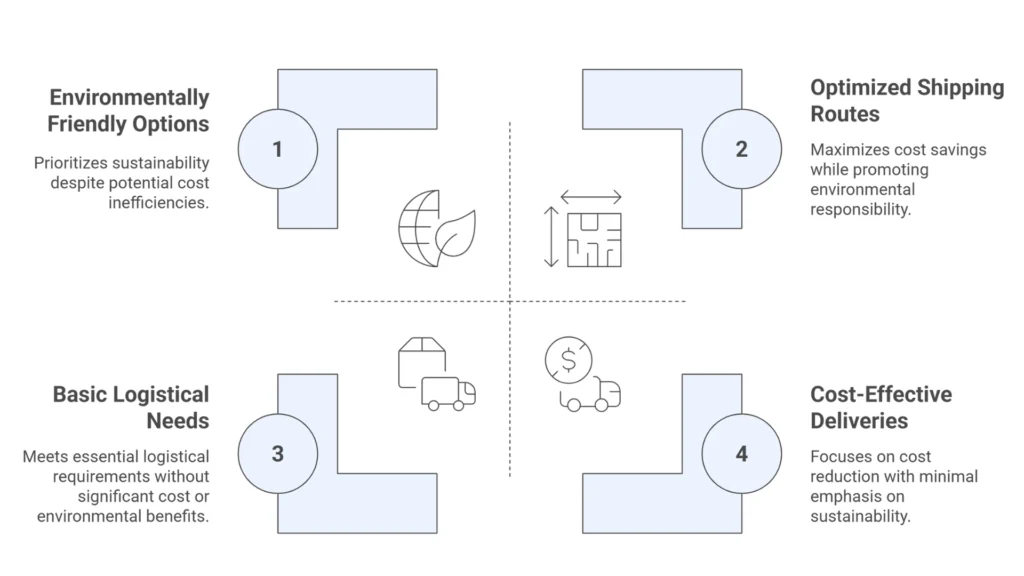
Long-distance B2B transportation by sea or rail is less expensive on a per ton-kilometer basis than by road. By transferring bulk goods to these modes of transport, businesses reduce highway tolls and fuel prices. Indian Railways estimates that transport of goods by rail can be 30% to 40% cheaper than road transport for long distances.
Sustainability
Intermodal freight transport reduces emissions substantially. Rail emits almost 75% less carbon dioxide per ton-kilometer than trucks. Top shipping companies are also investing in cleaner fuels. Using these modes together enables businesses to achieve both mandatory and voluntary sustainability goals.
Reliability and Flexibility
Road transport is subject to congestion, driver shortages, and the volatility of fuel prices. Intermodal transport diversifies risk by pooling modes. If a highway is shut down, rail can handle the load. If a port is clogged, inland terminals have alternate routes available.
Security
Because cargo is sealed within containers from beginning to end, the threat of theft or tampering is less. Contemporaneous intermodal transportation services also rely on GPS and computerized tracking for end-to-end logistics visibility, providing an added security feature.
Intermodal Transport Challenges
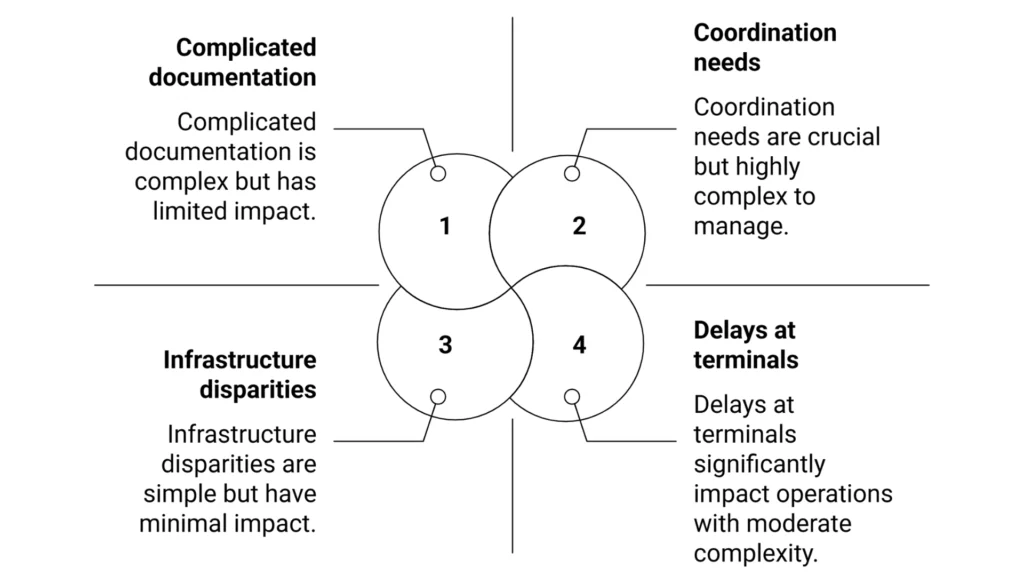
Infrastructure Disparities
India's port and rail infrastructure continues to experience bottlenecks. Most terminals have inadequate equipment, such as modern cranes or storage yards. This increases expense and reduces efficiency.
Delays at Terminals
At rail yards and ports, containers typically spend more time than intended sitting idle because of congestion or the lack of coordination. This impacts reliability, which is significant in supply chain planning.
Complicated Documentation
International intermodal cargo transport means handling multiple documents for customs and regulatory compliance. Different modes and countries could have different requirements, resulting in more paperwork.
Coordination Needs
Intermodal transport is reliant on several 3PL providers. If one of them fails, the entire chain can be delayed. Selecting reliable intermodal transport services with robust networks is crucial to preventing that issue.
Intermodal Transport in India: Current State and Future
India continues to be highly reliant on roads, with almost 65% of freight transported by road using trucks. This is both expensive and eco-unfriendly. To balance this anomaly, the government is putting investment in railway corridors, contemporary ports, and logistics parks.
At the heart of this push is the Dedicated Freight Corridors (DFC). Once they reach full capacity, these railway lines will move heavy freight like coal, cement, and containers fast and cheaply. Port terminals like Mundra and JNPT are increasing intermodal capacity to move more volumes. Inland container depots within cities such as Nagpur and Ludhiana now directly connect with ports, easing road traffic.
The National Logistics Policy 2022 provides a clear roadmap. It requires intermodal and multimodal system integration, with the aim of lowering logistics costs from 13–14% of GDP today to approximately 8%. As freight demand is projected to triple by 2030, intermodal freight transportation will be at the core of creating efficient and sustainable supply chains in India.
Major Points to Keep in Mind Before Selecting Intermodal Transport
- Distance and Volume: Intermodal transportation is best suited for distances over 500 kilometers and bulk freight. Short distances can still be best served by direct trucking.
- Transit Time: If the utmost speed of delivery is the priority, air or road might be more appropriate. Intermodal freight transport compromises cost against reasonable time frames instead of providing the quickest path.
- Cost Analysis: The shipper must determine the total cost per ton per kilometer, including rail or ocean fees, plus terminal coordination and handling expenses.
- Cargo Type: Metal, machinery, and packaged consumer goods are ideal for intermodal shipping. Perishable freight needs refrigerated containers and dependable service.
- Service Provider Reliability: All services doing intermodal shipping are not created equal in terms of networks or technology. Transport companies need to assess providers on experience, tracking systems, and customer support.
Conclusion
Intermodal transportation has become a necessity for supply chains that require balancing cost, speed, and environmental friendliness. By integrating road, rail, and sea in a single system, it circumvents the drawback of single-mode reliance. The benefits of intermodal freight transport are evident: reduced cost, cleaner operation, secure load, and increased flexibility.
India is investing in infrastructure to make this transition feasible. Dedicated rail corridors, upgraded ports, and logistics parks will constitute the backbone of intermodal freight transport over the next decade. Companies that evaluate distance, type of cargo, and provider strength before availing intermodal transportation services will benefit most. As international and domestic commerce grow, intermodal will not be an alternative choice. It will be the supply chain backbone of the future in India and worldwide.