
Table of content:


Today, every business is striving hard to enhance supply chain efficiency. However, when the order volume increases, it requires more space for storing inventories.
Businesses can rely on storage facilities to manage excess stock and safeguard goods from theft. Today, modern storage solutions feature smart inventory management, 24-hour CCTV surveillance, and fire protection systems. They are equipped with advanced technology, such as a warehouse management system, to enhance the order fulfilment process.
What Is A Storage Facility?
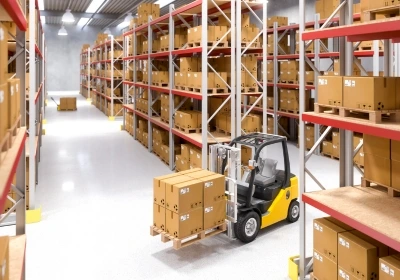
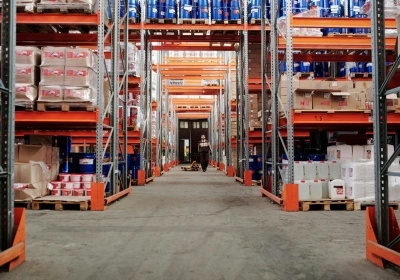
A storage facility is a designated storage space or building where businesses store inventory either for the short term or long term. These facilities are designed to protect products from theft and fire. Some storage facilities maintain specific temperatures and humidity to maintain the shelf life of perishable products. Many businesses and retailers depend on the warehouse facilities to store and manage their inventories. Whenever a customer places an order, the staff picks up the ordered product, does a thorough packaging, and hands it to the shipper. The shipper further delivers to the customer's doorstep.
Different Types Of Storage Facilities
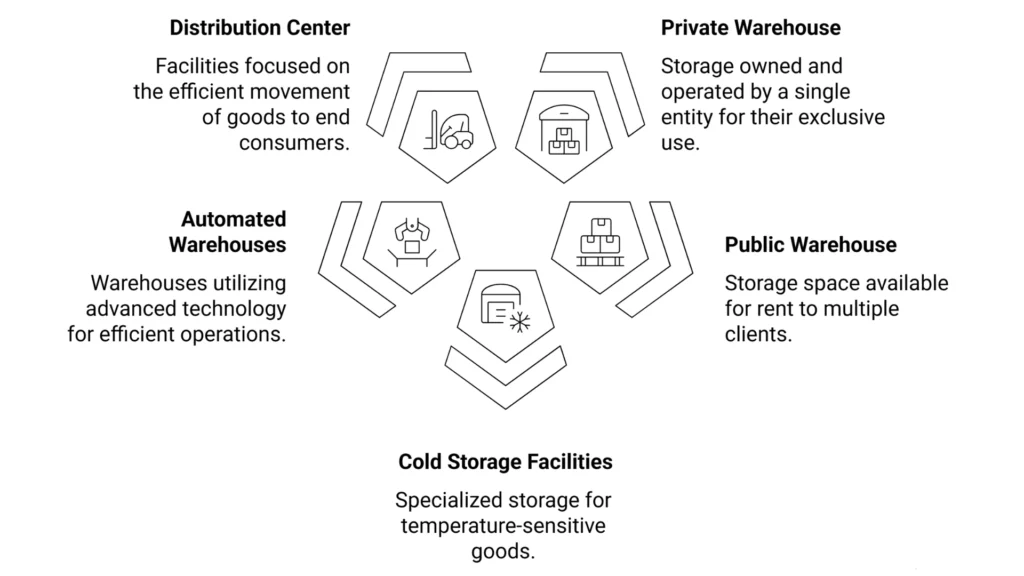
There are various types of storage facilities. They are in the list below.
1. Private Warehouse
They are owned and operated by a single business. Private warehouses have greater control over the customization of the products. But they are a bit expensive compared to other storage units.
2. Public Warehouse
Public warehouses are rented spaces that offer storage facilities for numerous businesses. It is a good option for both small and medium enterprises. They do not have to invest in building a warehouse.
3. Cold Storage Facilities
It is a storage area meant for storing perishable products and pharmaceuticals. A particular temperature and humidity are maintained to maintain the shelf life of the products.
4. Automated Warehouses
These warehouses have robotics or conveyor systems which do order processing faster and enhance customer satisfaction.
5. Distribution Center
A distribution centre plays a crucial role in fulfilling orders. One example of a distribution centre is crossdocking. Here, the incoming goods are transferred to the outbound vehicles with minimum storage time.
Why Businesses Use Storage Facilities?
Businesses use storage facilities for numerous reasons.
1. Inventory Management
Many reputable storage facilities utilize advanced software to manage their inventories. They provide real-time updates about inventories and avoid problems with out-of-stock issues.
2. Seasonal Demand
Many businesses experience a hike in product demand only in particular seasons or holidays. They utilize warehouse storage solutions to store inventories for a specific season of the year.
3. Cost-Effective
Building a warehouse, managing staff, and purchasing equipment, such as a forklift, requires a significant investment. This can be particularly challenging for many small and medium-sized enterprises. Hence, they utilize public storage solutions or third-party logistics storage facilities for storing products, which saves the business cost.
4. Security And Protection
Modern storage solutions often incorporate CCTV surveillance, fire safety systems, and climate-controlled environments. Hence, businesses prefer to store their inventories in these types of warehouse solutions and protect against theft, damage, or environmental risks.
5. Streamline Logistics
Most storage facilities are well-connected to roads, railways, and airports. This facilitates the transport of goods more easily and enhances supply chain efficiency.
Key Benefits Of Outsourcing a Storage Facility
Many businesses outsource storage facilities for the following reasons.
- Professional storage solutions feature 24-hour CCTV surveillance, which helps reduce the risk of theft.
- Professional storage facilities have climate-controlled options for storing perishable products and pharmaceuticals.
- A professional storage provider offers scalable 3PL solutions, which means it can accommodate increased product storage as the business expands in the future or demand for specific products rises during a particular season.
- Businesses do not need to invest a high amount if they hire a professional storage provider.
- Many reputed storage providers leverage advanced technology, such as warehouse management systems, which reduce errors and make the order fulfillment process faster.
How To Choose The Right Storage Provider?
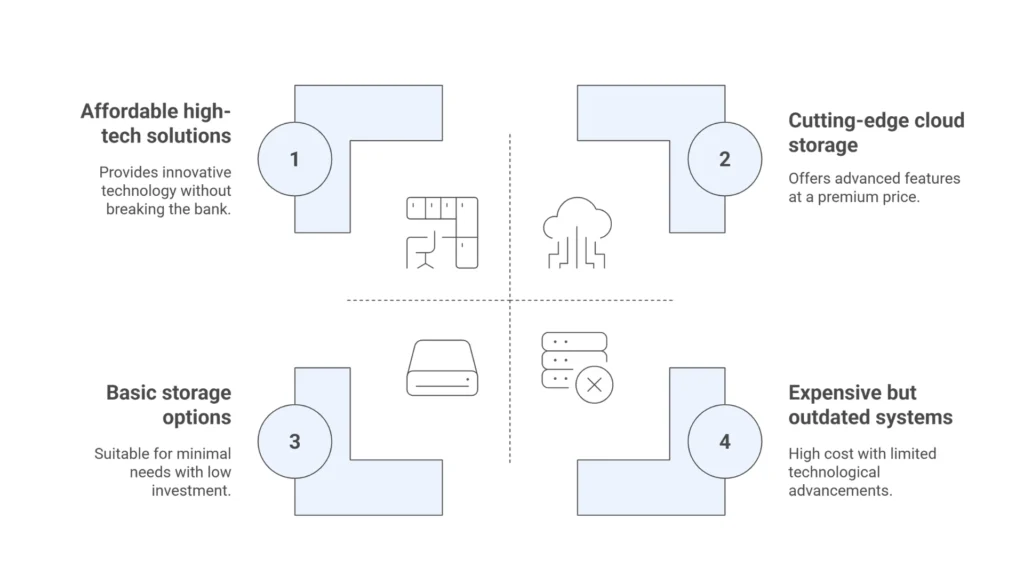
There are various storage providers in India. However, not all of them offer similar services. Businesses need to consider a few factors when choosing a storage provider.
1. Location
A business needs to choose storage facilities that are closer to its target customers. This reduces the business's logistics costs. This facilitates product delivery faster and enhances customer satisfaction.
2. Security Features
Look for storage solutions that provide various safety features, such as CCTV surveillance, fire protection systems, and alarm systems.
3. Scalability
A business needs to choose a storage provider that offers scalable solutions, i.e., it should have the capacity to accommodate products when demand increases in a particular season.
4. Technology
The business needs to ensure that the storage provider has access to technology such as a warehouse management system and an inventory management system to prevent overstocking or understocking issues. This will also make ecommerce fulfillment faster.
5. Cost
Compare the cost of various storage facilities and then choose the one that provides excellent services at an affordable price. Ensure there are no hidden costs for material handling or for storing for a longer period.
Common Mistakes To Avoid
There are a few mistakes that a business should avoid when searching for a storage provider. Here is a list of them.
- Most businesses choose a storage provider that offers services at extremely low cost. They do not give importance to the services provided by the strange provider. However, this can lead to late deliveries, overstocking and understocking issues, and can create a negative impression on customers.
- Many businesses overlook essential storage requirements, such as climate control or hazardous material handling, when selecting a storage provider. If the storage facility does not maintain a specific temperature and humidity for perishable products or pharmaceuticals, then it can damage the product within a short duration.
- If a business does not prioritise order accuracy and delivery timelines when searching for a storage provider, it can have an adverse effect on its brand reputation.
How Storage Facilities Work?
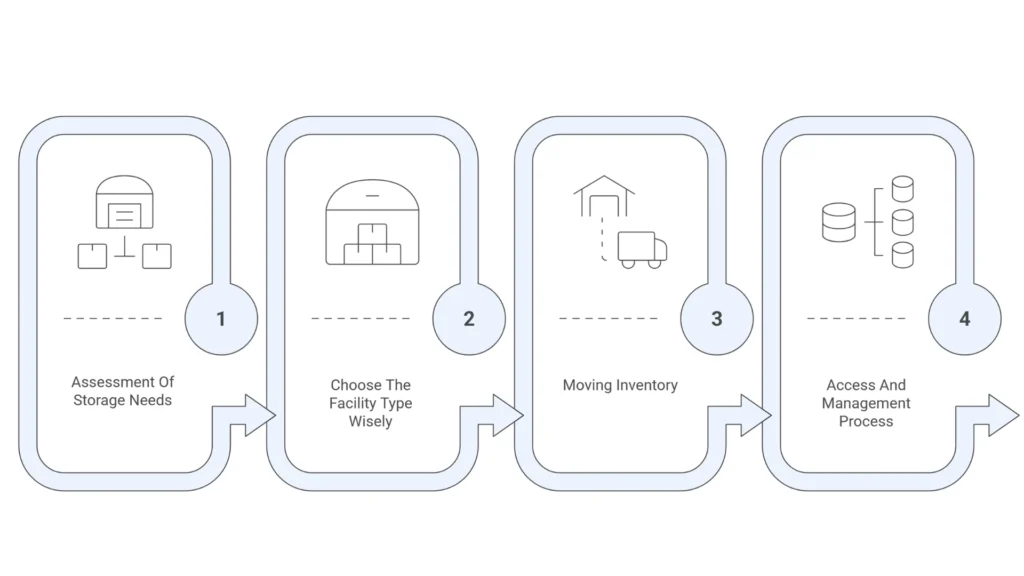
Today, many business owners and retailers utilize storage facilities to manage their inventories effectively and safeguard their goods and products.
1. Assessment Of Storage Needs
A business owner needs to evaluate what types of things they need to store, such as inventories or perishable products, along with their volume.
2. Choose The Facility Type Wisely
A business owner needs to select a storage facility based on the type of products they store. For example, if it deals with perishable products, then it should choose cold storage facilities for storage.
3. Moving inventory
The business then moves the inventory to the selected storage facilities. The workers of the storage facilities properly inspect the product and store it in their designated locations.
4. Access And Management Process
Modern storage facilities offer inventory tracking and barcode systems, providing real-time visibility of products.
Final Words
Storage facilities have become a part of business operations. They provide the safest way of storing inventories for a long period of time. A business can even use outsourced storage facilities and focus on core operations, such as product development and market exploration. But there are various storage service providers available in the market. So, businesses need to ensure a few things, such as location, technology access, scalability, and cost, before hiring any storage provider.