Table of content:


Research says that the e-commerce logistics market in India will reach USD 7.85 billion by 2030. An e-commerce Company needs reliable shipping solutions to deliver products on time to the customer. Managing multiple shipping Companies or depending on a single logistics Company can lead to slower deliveries or can have limited reach. Logistics aggregators are technology-enabled companies that connect an e-commerce business with various shipping Companies. The business can compare various transport and shipping companies based on factors like cost, network, delivery speed, and reliability.
It can get various benefits from a logistic aggregator, including tracking shipments in real time and enhancing delivery efficiency.
What is a Logistics Aggregator?
A logistics aggregator is a third-party tech-based company where businesses can coordinate with multiple shipping partners and choose the ones by comparing the cost and delivery speed. So you can say an aggregator acts as a bridge between the business and different shipping and transport companies. This model has gained traction in recent years as it saves costs and simplifies the shipping process of the business.
How Does Logistics Aggregator In India Work?
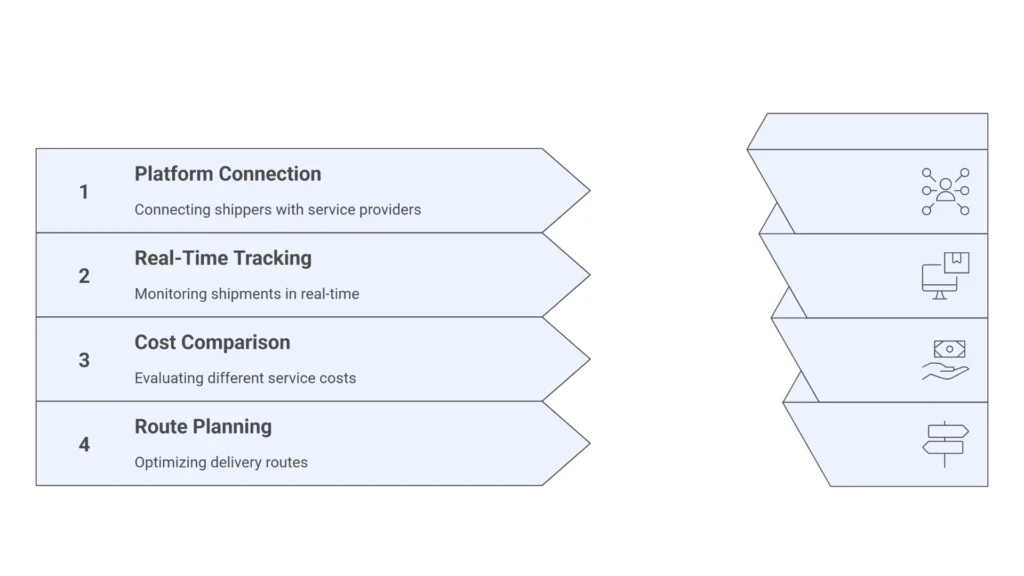
- The business connects its online store with the aggregator. The business can do integration via API or a web portal.
- The logistics aggregator shows prices, rates, and service coverage of various shipping companies. So a business does not have to visit each shipping company to know about its services. The aggregator shows all the necessary shipping details to an e-commerce business in a single dashboard.
- The seller picks the shipping and logistics company based on the logistics cost, reliability, and services.
- The logistics aggregator takes care of the entire picking process once the business selects the transport company. The platform will schedule the pickup from the location of the business. The staff of the chosen shipping company arrives and collects the products. It ensures that the business does not have to contact each shipping company separately. The aggregator does this for a business automatically.
- The platform allows an e-commerce business to track shipments of various shipping Companies from a single dashboard. The dashboard allows the business to view the entire delivery journey, i.e, from pick up, transit to final delivery.
Difference Between Logistics Aggregator And Traditional Logistics Companies
| Features | Logistics Aggregator | Traditional Logistics Company |
| Business Model | A platform that connects an e-commerce business with various shipping Companies | The Company owns and operates its own fleet. |
| Flexibility | It provides various shipping carrier options. | It is restricted to its own services and coverage. |
| Technology | It is a technology platform that integrates with the e-commerce seller website through API. | Technology adoption is slower. |
Benefits Of Using A Logistics Aggregator
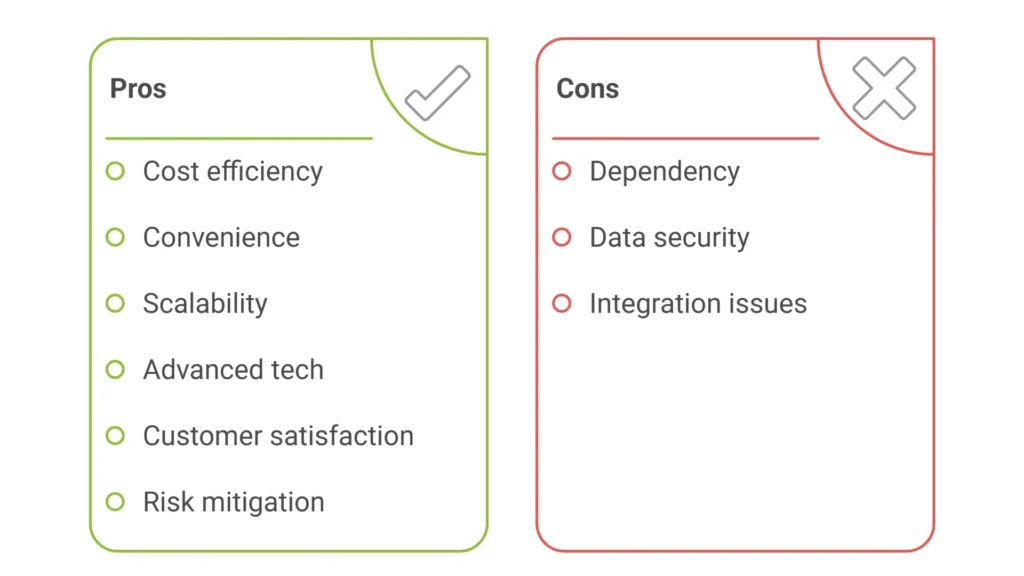
The benefits of using a logistics aggregator are as follows.
- Cost Efficiency: Logistics carriers allow a business to compare rates of various transport companies and choose the affordable options for each order. This helps in saving the cost of the business.
- Convenience: The businesses can track shipments in a single dashboard. It saves the time of a business and reduces manual effort.
- Scalability: The logistic aggregator allows a business to scale up without investing in its own transport solutions.
- Technology: The logistics aggregator in India offers various advanced features like smart shipping rules and APIs, which small and medium enterprises struggle to adopt.
- Customer Experience: The platform provides faster delivery of products and enhances customer satisfaction. It even improves brand reputation in the market.
- Risk Mitigation: Multiple shipping options reduce dependency on a single shipping Company. If one shipping company provides poor service, then the business has various options for shipping.
Challenges And Limitations Of Logistics Aggregator
There are a few challenges associated with logistics aggregators. Here is a list of them below.
1. Dependency On Third-party Network
A logistics aggregator does not have its own vehicles or staff for delivering products. They depend on shipping companies for delivering goods. If a shipping company is late in delivering products, then the business blames the aggregator.
2. Service Consistency May Vary
Several shipping companies are available in the logistic Aggregator. But all of them will not provide the same service.
3. Integration Challenge
Every business does not use advanced technology like an order management system. Integration with the API of a logistics aggregator can become difficult for such a business.
4. Pricing Complexities With Hidden Surcharges
Logistics aggregators usually charge lower costs. But there can be hidden charges like RTO fees or fuel costs, which can surprise a business.
Is Logistics Aggregator Right For Your Business?
A logistics aggregator is ideal for businesses that want to deliver products to multiple places in India and abroad without investing much cost on a fleet and transportation.
But if a business requires special logistics like a temperature-controlled supply chain or bulk freight, then a traditional logistics company can be a better option.
How To Choose The Best Logistics Aggregator?
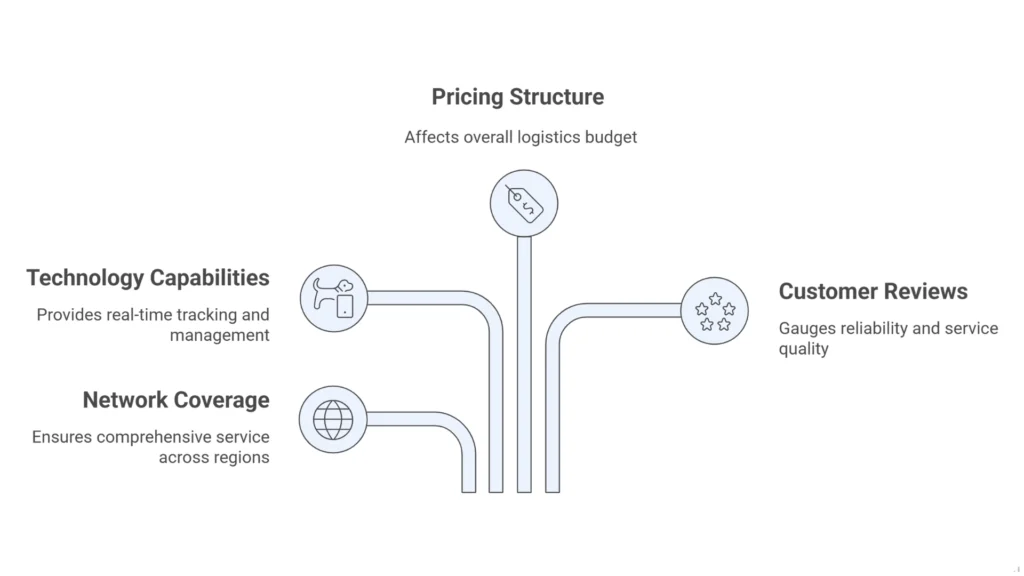
Choosing the best logistics aggregator can make a big difference in supply chain efficiency.
- Carrier Partnership And Coverage Network: A business should choose a logistics aggregator that works with multiple shipping companies. It should even cover maximum pincodes in the country, which include urban, semi-urban, and rural areas.
- Pricing Transparency And Rate Comparison Tools: A business should look for services that provide transparency in price. There should not be any hidden charges.
- Tech Capabilities: You should check for API integration with the website, WMS, and OMS systems for smooth operations.
- Value-added services: The logistics aggregator should provide value-added services like easy returns and shipment insurance to the business.
Final Words
A logistics aggregator is a third-party platform where businesses can choose the shipping carrier based on their requirements. It reduces costs and improves customer satisfaction for a business. However, it has a few disadvantages, like there can be hidden charges. The integration is even challenging for many small-scale business owners.