
Table of content:
- What Is a Warehouse Receiving?
- Why Warehouse Receiving Is Important?
- Warehouse Receiving Process
- Key Documents Used in Warehouse Receiving
- Common Challenges In Warehouse Receiving
- Best Practices For Efficient Warehouse Receiving
- Warehouse Receiving VS Warehouse Putaway
- Warehouse Receiving KPIS
- How 3PL Warehouses Handle Receiving Operations?
- Final Words


Research shows that inventory accuracy ranges from 63 to 80% across most industries, leading to order fulfillment delays.
A warehouse has a major role in moving goods from the supplier to the customer. The first step in the warehouse operations is warehouse receiving. It involves receiving goods from the seller, verifying and thoroughly inspecting them, and then recording them in the system. A well-organised receiving process ensures that the right products and their quantities are entered in the system.
What Is a Warehouse Receiving?
Warehouse receiving is the first step of the inventory management lifecycle. It involves the process of unloading goods from the seller, inspecting them, and recording them in the system.
The warehouse staff verifies that the orders received are as per the purchase order. This prevents errors in inventory records and avoids stockout issues.
Why Warehouse Receiving Is Important?
1. Ensures Inventory Accuracy
Warehouse staff inspect the products thoroughly once they arrive from the seller or manufacturer. The staff verifies the products, their quantities, and specifications, and ensures they are as per the purchase order. They also separate the damaged products from it.
So efficient warehouse reception ensures that staff enter only high-quality products into the system and prevent inventory discrepancies.
2. Reduces Damage Or Incorrect Shipments
Warehouse staff identify the damaged products during inspection and separate them. They inform the ecommerce seller or manufacturer of these products for replacement or return. The warehouse receiving process ensures that customers receive only high-quality products.
3. Supports Better Inventory Tracking
Warehouse staff inspect the products upon arrival and then immediately enter them in advance using software such as a warehouse management system. This provides real-time visibility of stock and the location where they are stored.
Accurate inventory tracking allows warehouse staff to monitor stored inventories and plan for replenishment when necessary.
Warehouse Receiving Process
The warehouse receiving process involves the following steps.
1. Prearrival Planning
The supplier sends advance shipment notifications electronically and provides basic details such as the expected delivery date, shipment contents, and the expected time and date of arrival. The warehouse manager plans and makes preparations for receiving goods from the seller or manufacturer.
Scheduling appointments reduces congestion at the unloading dock.
2. Unloading Incoming Shipments
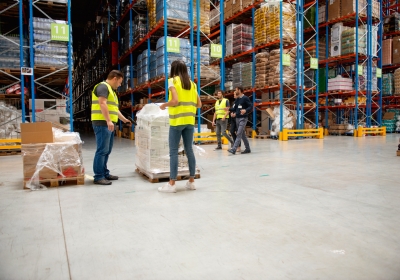
The warehouse clerk checks the trailer seal and its exterior when the shipment arrives at the dock. Warehouse workers then start unloading the goods from the trailer. They use equipment such as forklifts, pallet jacks, or conveyors for unloading goods. Workers handle the products carefully to prevent damage.
3. Verifying Purchase Orders
Warehouse staff unload all products from the trailer and check them to ensure they are as per the purchase order and delivery documents. Warehouse workers check product quantities and specifications to ensure they match the order.
4. Inspecting Goods
Warehouse staff then thoroughly inspect the goods and assess their quality. They even check the packaging to ensure it meets the required standards.
If they find any damaged product, they keep it aside and inform the seller.
5. Recording Receiving Inventory
Warehouse staff then record the receiving inventory in advanced software, such as a warehouse management system. This enables real-time inventory tracking and avoids problems of overstocking and understocking in the warehouse.
6. Labelling & Documentation
Warehouse staff affix labels to each product, using a barcode, a tag, or an identification number. These labels will help workers easily find products in the warehouse.
Warehouse further documents all important information, such as product quantities, quality, supplier information, and receipt date, in the warehouse management system.
Proper labelling and documentation ensure better inventory control and reduce errors in the picking, packaging and shipping process.
7. Putaway To Storage Locations
Warehouse staff further move the received products to the store locations. They store them in the assigned shelves or racks for easy identification during picking.
Key Documents Used in Warehouse Receiving
There are a few important documents used in warehouse receiving. They are as follows.
1. Purchase Orders
The buyer issues a purchase order (PO) to the seller, which lists the product quantities, specifications, and delivery terms.
The staff uses this document to verify that the products received from the seller comply with the purchase order.
2. Packing List
The supplier provides the packing list and includes all the products in the shipment. It lists details for each product in the cartoon or boxes, such as quantities and prices. Warehouse staff use the packing list and ensure that the shipped products are as per the packing list.
3. Bill of Lading
The carrier issues a transportation document known as a bill of lading. This document ensures that the carrier has received goods from the seller or manufacturer and is responsible for delivering them to the warehouse. A bill of lading includes details such as supplier information, the shipped products, and the particular warehouse to which the goods will be delivered.
4. Goods Received Note
A warehouse creates a document known as a goods received note after receiving all shipped goods and checking their quality. This document contains important details, including the supplier name, purchase order number, product description, and delivery date.
Common Challenges In Warehouse Receiving
Warehouse receiving faces certain challenges. They are in the list below.
1. Incorrect Shipments From Suppliers
Sometimes suppliers send the wrong products or incorrect quantities that do not match the purchase order. It creates confusion and requires additional time for return or replacement.
2. Damaged Goods
The goods carrier in the trailer can get damaged. 3PL Warehouse staff properly inspect products upon receipt. If they find any damaged goods, then they keep them aside and do not store them in the warehouse. Damaged goods delay inventory availability and cause out-of-stock situations.
3. Manual Errors
If the warehouse manually enters product details and quantities into the system, it can lead to errors. Incorrect data errors make it difficult to track stock in real time and can delay order fulfilment process.
4. Dock Congestion And Delays
Some warehouses lack proper scheduling, leading to multiple trailers arriving at the unloading dock simultaneously. This creates dock congestion, slows down the unloading process and causes delays in warehouse operations.
Best Practices For Efficient Warehouse Receiving
There are a few practices workers can follow to ensure an efficient warehouse receiving process. Let us discuss them one by one.
1. Implement A Standard Receiving Process
Warehouses need to implement a standard receiving process, like unloading, verifying, inspecting, recording and put-away process, to reduce confusion and enhance accuracy in warehouse operations.
2. Schedule Inbound Deliveries
Warehouses need to schedule inbound deliveries to reduce dock congestion. Trailers do not need to wait longer for the delivery of shipped goods.
3. Conduct Quality Inspections
Warehouse staff need to do proper quality inspections to identify damaged products immediately. This ensures that staff store only high-quality products in the warehouse.
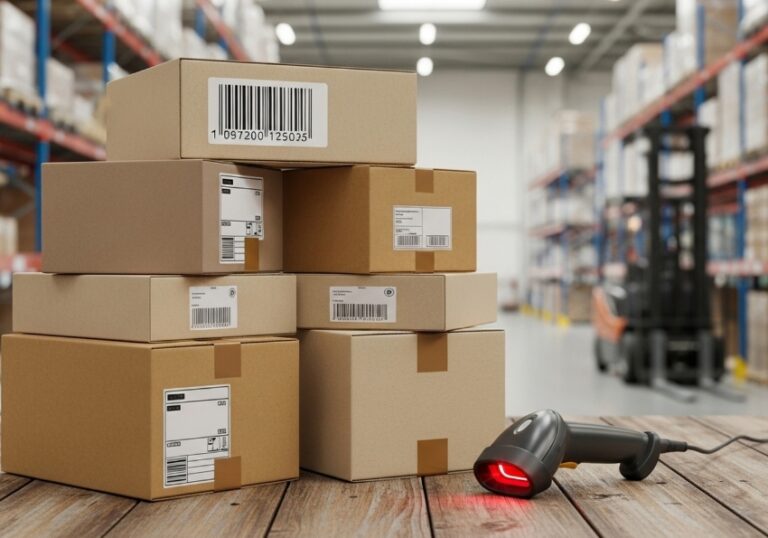
4. Use Barcode Scanning or RFID
Barcode scanning or RFID automates the warehouse receiving process.
Each cartoon or product has a barcode label. The staff needs to scan the product, and the system automatically enters various details, such as product type, specifications, and more.
5. Train Warehouse Staff
Proper training ensures that warehouse staff understand the importance of the warehouse receiving procedure, the use of equipment such as forklifts, and safety guidelines.
Skilled staff handle received products more efficiently, reducing operational issues.
6. Use Warehouse Management System
Warehouses need to use advanced software, such as a warehouse management system. It keeps records of incoming shipments and tracks them in real time. The software even allocates storage space for each product.
Warehouse Receiving VS Warehouse Putaway
| Aspect | Warehouse Receiving | Warehouse Putaway |
| Main purpose | It is a process of receiving goods from the seller, verifying and inspecting them thoroughly and then recording them in the system. | It is a process of moving the received goods to their designated storage locations inside the warehouse. |
| Main goal | Ensures accurate inventory records in the system to avoid out of stock problems. | Organising inventory properly in the shelves and racks of the warehouse so that staff can easily find them in racks or shelves. |
Warehouse Receiving KPIS
KPIS are performance indicators of how efficiently the warehouse manages the receiving process. Managers can monitor KPIS, identify problems, and take action accordingly.
Now, let us discuss some warehouses receiving KPIS.
- Receiving Accuracy Rate: It measures how accurately the system has recorded the shipments received in the warehouse. A higher accuracy rate indicates that the warehouse follows a reliable receiving process.
- Dock-to-Stock Time: It measures the time required to move incoming shipments from the dock to storage locations.
- Inbound Shipment Accuracy: It measures how accurately the seller has delivered products and quantities as per the purchase order.
- Receiving Cycling Time: It measures the total time required for completing the entire warehouse receiving process.
How 3PL Warehouses Handle Receiving Operations?
Reputable 3PL warehouses use advanced software, such as a warehouse management system, to track inventory.
3PL warehouses follow a standardised receiving procedure for completing the entire warehouse receiving process.
Staff of the 3PL company in India carefully verify incoming shipments against purchase orders and packing lists.
Staff of the 3PL company conduct proper quality inspections of each product they receive from the seller.
Final Words
Warehouse receiving plays an important role in managing a business's supply chain. It includes various processes like receiving goods, unloading them from the trailer, proper inspection, and recording them in the system. Businesses can use technologies such as barcode scanning and RFID systems to automate the warehouse receiving process.