
Table of content:
- What Are Warehouse Operations?
- Why Warehouse Operations Means More Than Storage And Dispatch?
- What Actually Happens After Inventory Reaches A Warehouse?
- Where Most Warehouses Lose Time Without Realising It?
- The Core Functions That Define Warehouse Operations Performance
- Common Warehouse Operations Bottlenecks That Businesses Usually Notice Too Late
- Warehouse Operations VS Warehouse Management
- How Technology And Automation Change Warehouse Operations?
- In-House Warehouse Operations VS Outsourced Operations
- Final Words


The Indian warehousing market is gaining momentum as supply and demand have increased over the years. It was valued at USD 14.26 billion in 2024. Research says that it will reach USD 34.60 billion by 2030.
Warehousing operations play an important role in a business. It is no longer limited to storing goods in racks and shelves inside the warehouse. Efficient warehouse operations involve the use of technology and automation to fulfil orders efficiently and enhance brand reputation in the market.
What Are Warehouse Operations?
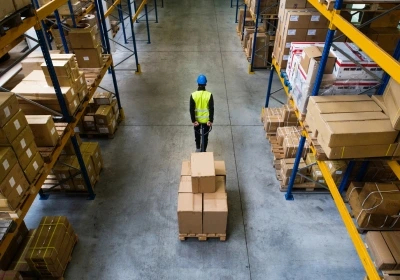
Warehouse operations involve all activities related to receiving products, storing and managing them, and finally delivering them to customers smoothly. The processes include receiving goods, put-away, inventory management, picking, packaging, and delivery.
Efficient warehouse operations improve delivery speed, reduce costs, and enhance customer satisfaction.
Why Warehouse Operations Means More Than Storage And Dispatch?
1. Order Fulfillment Speed
Efficient warehouse operations ensure the correct picking of ordered products, packaging them, and handing them over to the shipper. So efficient warehouse operations improve order fulfillment speed and enhance customer satisfaction.
2. Avoids Overstocking and Understocking
Modern warehouse operations use advanced technologies such as warehouse management systems, robotics, and AI. This will reduce errors in order fulfillment, track inventory in real time, and avoid the problems of overstocking and understocking.
3. Enables Business Growth
Efficient warehouse operations can handle high order volumes during peak seasons or holidays. So this allows a business to scale easily and increase brand reputation in the market.
What Actually Happens After Inventory Reaches A Warehouse?
Warehouse operations involve several steps. They are in the list below.
1. Inbound Receiving
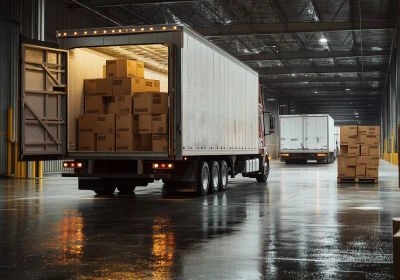
The warehouse staff receive goods from the seller or manufacturer. They carefully inspect the goods to ensure there are no damaged items. The staff separates the damaged products so that there will be no issues during the order fulfillment process.
2. System Entry
The warehouse staff also scan each product received from the seller and enter the details in the software. The details include product type, weight, and quantities.
3. Storage
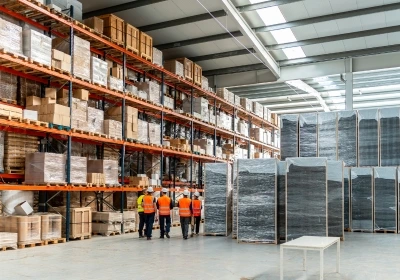
The warehouse staff then stores the product in designated areas, such as racks or shelves, depending on its size, shape, and market demand.
4. Order Picking, Packaging, and Shipping
Whenever a customer orders any product, the order details are automatically sent to the warehouse. The warehouse staff picks up the ordered product, packages it, and hands it over to the shipper. The shipper finally delivers the packaged product to the customer.
5. Reverse Logistics
Sometimes the customer does not like the ordered product and requests a return. The staff picks up the product from the customer and brings it back to the warehouse. The warehouse team inspects the product and decides whether to restock, refurbish, or recycle.
Where Most Warehouses Lose Time Without Realising It?
- If frequently picked items are preset far from packaging zones, it will delay order processing.
- Relying on manual data entry rather than barcode scanning or advanced technologies like WMS can lead to errors or delays in order fulfillment.
- If warehouse operations use an inefficient picking method, the dispatch of ordered products will be delayed. The warehouse needs to use a zone-picking or batch-picking method to pick ordered products.
The Core Functions That Define Warehouse Operations Performance
1. Accuracy
Accuracy in picking, packaging, and counting inventory is important to warehouse operations. Technologies like WMS, AI, and machine learning play an important role in maintaining accuracy in warehouse operations.
2. Speed
Speed determines how quickly inventory moves from inbound to outbound. An optimised warehouse speed can efficiently handle high order volumes.
3. Space Utilization
Poor space management can lead to congestion and delay in order processing, which can dissatisfy customers. Efficient use of warehouse storage space improves the business's delivery speed. For example, warehouse staff can use vertical space efficiently and keep fast-moving items near dispatch zones.
4. Labour Productivity
Labour productivity in warehouse operations refers to how well-trained and skilled workers perform tasks such as picking, packaging, inventory counting, and dispatching.
Common Warehouse Operations Bottlenecks That Businesses Usually Notice Too Late
1. Order Volume Growth
If order volumes increase but warehouses continue to use the same space, labour, and resources, it can lead to congestion and slow down order fulfillment.
2. SKU Complexity
Adding more SKUs without reorganising the storage systems can create confusion during product picking.
3. Returns
Return volumes increase with order volume in an e-commerce business. Return items can pile up in receiving areas, blocking space. It can lead to inefficiencies in picking ordered products.
Warehouse Operations VS Warehouse Management
| Features | Warehouse Operations | Warehouse Management |
| Definition | It involves day to day activities inside the warehouse. | It involves planning ,controlling and managing various warehouse activities. |
| Focus | The aim is to process orders accurately and on time. | It focuses on strategy and optimisation to ensure all the warehouse operations run smoothly. |
| Daily activities | Receiving goods,quality check,order picking,packaging and shipping. | Set workflows, manpower planning, and performance monitoring. |
| People responsible | Warehouse staffs and supervisors. | Warehouse managers and operations head. |
How Technology And Automation Change Warehouse Operations?
Earlier, warehouses used manual methods for inventory counting and order processing. But that led to errors and slowed down the order fulfillment process.
Now, customers expect their ordered products to reach them as soon as possible. Hence, many ecommerce businesses use advanced technology to enhance order fulfillment operations. In fact, technology improves speed, control, and visibility of a business.
For example, a warehouse management system tracks inventory in real time, helping avoid overstocking and understocking. Again, it utilises the warehouse space efficiently and avoids congestion.
Again, tools such as conveyor belts, sortation systems, and pick-to-light methods reduce manual handling time. Orders move smoothly from picking to packaging zones without unnecessary delays.
6s for Warehouse Operations

Warehouse waste can be disposed of using the 6S method. The 6 S's include:
- Sort: Remove parts that are no longer used. If a machine has been gone for a few years, there is no longer a need to keep spare parts for it.
- Straighten: Sort and store parts based on ABC analysis and turnover rates.
- Shine: Keep parts, materials and the warehouse itself clean and air-conditioned.
- Standardize: Create a standardized route to sort, straighten and scrub your warehouse and remove redundant parts. Buy from quality suppliers, not the lowest bidder.
- Sustain: Expand the process to other areas and develop new ideas for storing and securing parts.
- Security: Access control, security cameras, alarms, etc.
In-House Warehouse Operations VS Outsourced Operations
| Aspect | Inhouse warehouse operations | Outsourced warehouse operations |
| Control | Businesses have complete control over its warehouse activities,layout and order fulfillment. | Here business have limited control over all the order fulfillment activities. |
| Scalability | Scalability requires investment in infrastructure, staff, and manpower. Sudden product demand can increase the costs of a business. | Highly scalable. Top warehousing companies today offer scalability features, i.e., they can accommodate more products during peak seasons or holidays. It doesn't put strain on business. |
| Accountability | It lies completely with internal teams. The workers in the warehouse should identify the performance errors and delays and correct them internally. | Here accountability is contract driven. |
Final Words
Warehouse operations include inventory storage, order picking, packaging, and shipping products to customers efficiently. Earlier warehouses used a manual process, which led to errors and caused delays in product delivery. But top warehousing companies embrace automation and technology like WMS to speed up the picking, packaging, and shipping processes.